What Is Minimal Streetwear?
Minimal streetwear is a style built around restraint, fit, and intention rather than loud graphics or trend-driven design. It focuses on clean silhouettes, neutral colour palettes, and subtle details that create impact without noise.
At its core, minimal streetwear values how something fits, feels, and lasts, not how much attention it demands.
The Origins of Minimal Streetwear
Minimal streetwear sits at the intersection of classic street culture and modern design thinking. While traditional streetwear often leans into bold logos, graphics, and hype cycles, minimal streetwear takes a more considered approach.
The influence comes from:
- Modern architecture and industrial design
- Contemporary fashion’s focus on silhouette and proportion
- A shift away from fast trends toward long-term wearability
Rather than shouting for attention, minimal streetwear is designed to hold presence quietly.
What Defines Minimal Streetwear?
Minimal streetwear is not about being plain — it’s about being precise.
1. Clean, Intentional Silhouettes
Fit is everything. Oversized pieces are structured, not sloppy. Proportions are deliberate, creating shape and balance rather than excess fabric.
2. Neutral and Muted Colour Palettes
Black, bone, grey, muted tones, and soft contrasts dominate. These colours are chosen for versatility and longevity, allowing pieces to be worn repeatedly without feeling dated.
3. Typography Over Graphics
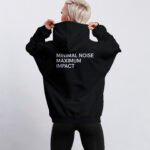
Instead of complex illustrations or loud imagery, minimal streetwear often uses simple typography or subtle placement to communicate meaning. Words, spacing, and alignment become the design.
Brands like Kat Krush approach minimal streetwear through this lens — focusing on fit, typography, and restraint rather than oversized logos or visual clutter.
4. Designed for Everyday Wear
Minimal streetwear is built to live on repeat. Pieces are easy to style, comfortable to wear, and designed to work across different settings without needing to be “styled up” or “styled down.”
Minimal Streetwear vs Traditional Streetwear
While both styles share roots in street culture, their execution differs.
Traditional streetwear often prioritises:
- Loud graphics
- Statement logos
- Limited drops and hype cycles
Minimal streetwear prioritises:
- Longevity over trends
- Subtle impact
- Consistency and cohesion
For many, minimal streetwear feels more personal — it’s worn for yourself, not for attention.
If you’re comparing different approaches to street style, our guide on minimal streetwear vs graphic streetwear breaks down how the two styles differ in design, longevity, and intent.
Why Minimal Streetwear Has Gained Popularity
The rise of minimal streetwear reflects a wider shift in how people approach clothing.
- Fewer pieces, worn more often
- A preference for comfort without sacrificing design
- Clothing that feels intentional rather than reactive
As wardrobes become more curated, minimal streetwear offers a way to express confidence without excess.
Is Minimal Streetwear Still Streetwear?
Yes — but in a more refined form.
Minimal streetwear keeps the attitude and ease of streetwear while removing unnecessary noise. It’s still relaxed, still rooted in real life, but elevated through thoughtful design choices.
This balance is what defines modern brands like Kat Krush, where oversized fits, clean typography, and calm palettes come together to create pieces that feel quietly powerful rather than attention-seeking.
Final Thoughts
Minimal streetwear isn’t about doing less — it’s about doing only what matters.
Through fit, proportion, colour, and subtle detail, it creates impact without volume. For those drawn to restraint, clarity, and intention, minimal streetwear offers a way to dress that feels confident, modern, and timeless.